
Three colleagues walking through a bright glass office corridor with closed laptops

Composite engagements

What changed when the queue had an owner

The accounts below are composites drawn from the kind of work we do. They are not named clients, and the figures are illustrative of the operating change, not audited results. We would rather describe the work honestly than invent a logo wall.

Read the composites
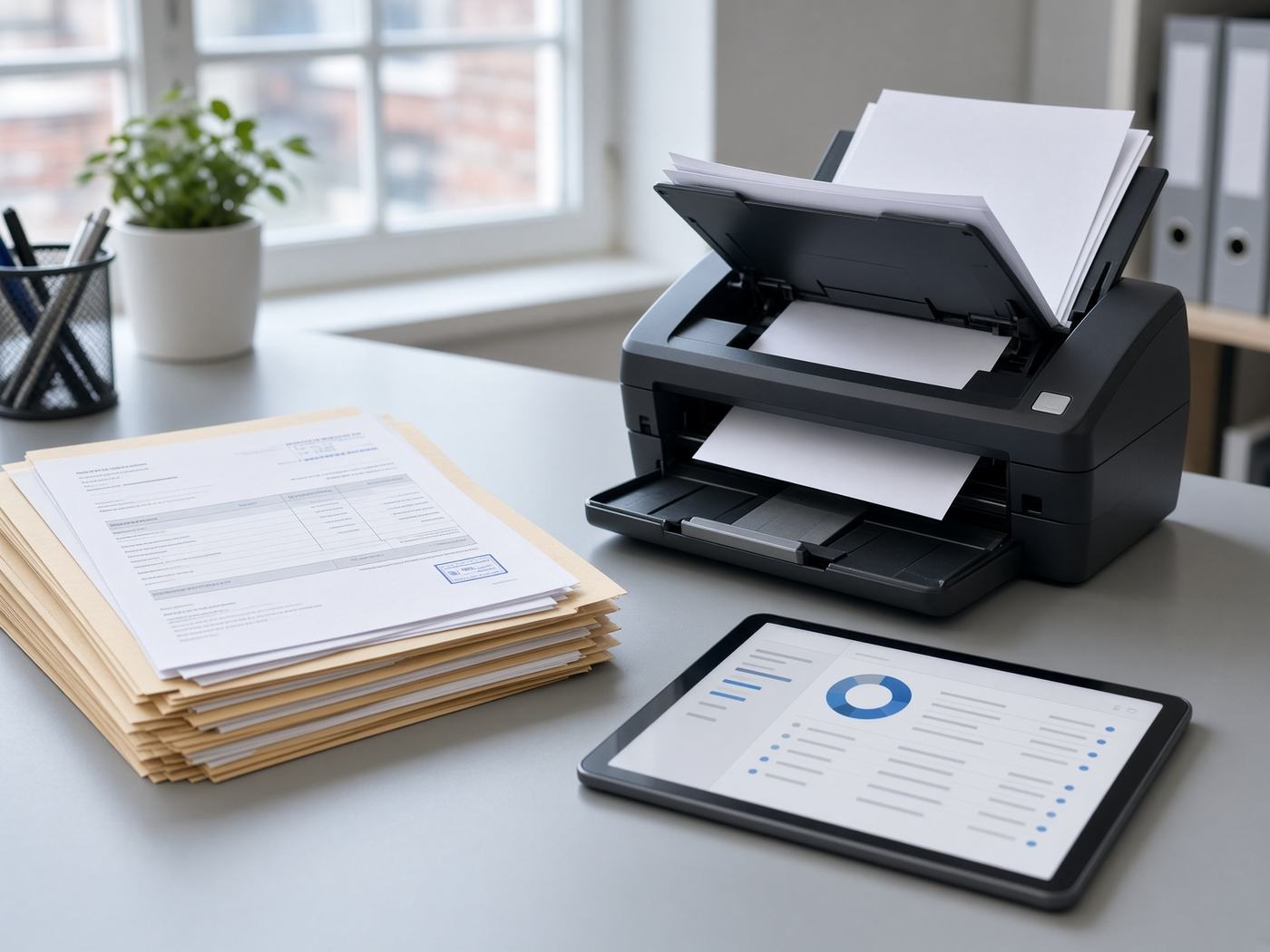
Invoices beside a desktop scanner in a back office

North Ayrshire manufacturer · payables

The match stopped living in a buyer's inbox

A food manufacturer with two sites was coding supplier invoices from a shared mailbox. Purchase orders existed in the ledger. Goods receipts existed in the warehouse system. Nobody compared the three unless a price looked wrong by eye.

We wrote a three-way match with a tight tolerance on traded goods and a wider one on packaging. Lines inside tolerance moved to the budget holder with the evidence attached. Lines outside it opened a task for the buyer, showing quantity and price side by side.

  • Illustrative outcome: the unmatched queue became a daily list of under forty items, down from an inbox nobody could count.
  • Supplier bank-detail changes required a phone-back to a number already on file.
  • The payment file was prepared by accounts and released by the finance manager.

London professional practice · receivables

Cash application stopped being a Friday scramble

A sixty-person advisory practice received client receipts with references that were almost the invoice number, but not quite. Credit control rebuilt the allocation by hand twice a week. Aged debt conversations started from a report that was already stale.

We set customer-level rules for references, short payments, and the deduction codes the partners actually used. Unidentified cash older than five working days escalated to the engagement manager, not back to a generic mailbox.

  • Illustrative outcome: most receipts allocated the day the bank line arrived, with a short list left for a person.
  • Partners saw their own aged debt without waiting for a monthly export.
  • Write-offs still needed a partner. The system only assembled the request.
Two professionals reviewing finance information on a laptop
Office at dusk during a late close

Midlands housing association · close

The reconciliation pack gained a status, not another tab

Month-end for a housing association ran across rent, repairs, treasury, and several bank accounts. Reconciliations lived in workbooks on a drive. The finance manager discovered gaps by asking. The pack routinely landed late in the second week.

We turned the close into a task list with preparer, reviewer, and evidence. Bank reconciliations pulled the feed and proposed matches. Balance-sheet accounts that did not move were still reviewed, because a nil movement is not the same as a finished reconciliation.

  • Illustrative outcome: the pack moved from roughly nine working days toward four, across two hypercare closes.
  • Items carried forward were named in the pack instead of discovered in the audit.
  • Payroll journals stayed manual. The calendar simply made their due time obvious.

If you want a conversation about a similar process, bring last month's exception list. We will tell you whether the pattern is one we can responsibly automate.

Describe your queue